Fabric Guide
How a Fabric's Weave Decides How Hot You Get
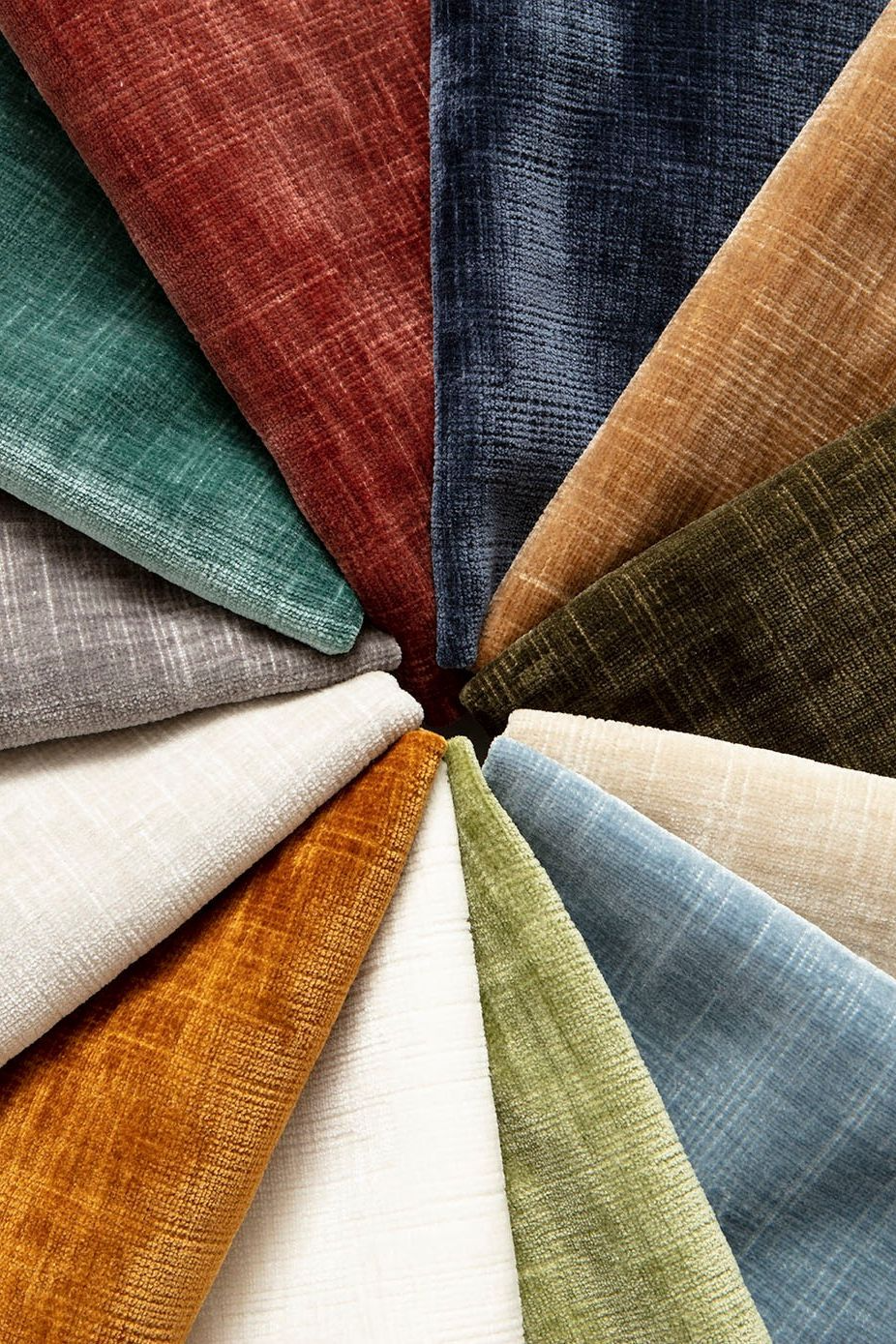
Fiber content gets all the attention on a listing, and it answers less than people assume. Two shirts can both say one hundred percent cotton and behave nothing alike in heat, because comfort is governed not only by what the yarn is made of but by how that yarn has been put together. Weave, texture, and yarn construction are where the real difference sits, and all three are readable once you know what you are looking at.
Hold It Up to a Window
The quickest test there is. Hold a fabric against daylight and look at where the light comes through. If it passes through visible gaps between the yarns, air moves through those same gaps and body heat has a route out. If the fabric glows evenly with no gaps, the light is passing through the yarn itself and the construction is closed. A closed fabric can still be very thin, and a thin closed fabric will sit warm against you regardless of how little it weighs.
Open Weaves and What They Are Called
Several constructions exist specifically to leave space in the cloth. Leno weave twists pairs of warp yarns around each other, which locks open gaps in place so they cannot close up with wear. Gauze uses a loose plain weave at low tension for a similar effect with a softer hand. Mesh knits do it with structured holes rather than gaps between yarns. Seersucker takes a different route entirely: alternating stripes are woven at different tensions so one set puckers permanently away from the other, holding the cloth off the skin in ridges.
Texture Does the Same Job as Space
A fabric does not have to be see-through to keep its distance from you. Anything with a raised surface makes contact only at the high points, and the valleys between them carry air. Pique, the textured knit used for most polos, is built from small raised cells for exactly this reason. Waffle and slub fabrics work the same way, one through a grid structure and the other through deliberately uneven yarn that leaves bumps along its length. This is why a textured shirt often wears cooler at the same weight as a smooth one.
Yarn Twist and Why Some Cottons Feel Cool
Before a yarn is woven it is spun, and how tightly it is twisted changes what the finished cloth does. A high-twist yarn is compact, springy, and smooth, and cloth made from it sits away from the body and recovers its shape after crushing. A low-twist yarn is softer and fuzzier, absorbs more, and lies closer to the skin. High twist is what makes a lightweight cotton feel crisp and dry in heat. It is rarely stated on a label, so the way to read it is by hand: crisp and papery means high twist, soft and brushed means low.
What GSM Tells You and Where It Stops
GSM is grams per square meter, and it measures weight rather than heat. It is useful at the edges. Anything under about 120 GSM is genuinely light, will drape, and will likely show through in pale colors. Anything over about 200 has real substance and will hold a shape. Across the wide middle it stops being decisive, because a 160 GSM open weave and a 160 GSM tight weave are completely different garments to wear. Use GSM to predict drape and opacity, and use the weave to predict temperature.
Knit Structure and Woven Structure
A polo is knitted and a shirt is woven, and the two behave differently for structural reasons rather than fiber ones. Knitting builds cloth from interlocking loops, so it stretches in every direction, follows the body, and forgives an inch of measurement either way. Weaving interlaces yarns at right angles, so a woven has almost no give along the grain and holds a fixed shape away from the body. That is why a woven shirt needs its measurements to be right while a knit polo tolerates a margin.
Reading a Listing That Only Gives You Percentages
When a listing offers nothing but fiber content, the weave name usually appears somewhere in the title or the description, and it carries more information than the percentages do. Poplin means smooth and closed. Oxford means a basket structure with visible texture and more air. Chambray means a light plain weave. Pique means a textured knit. Failing all of that, the photography will tell you: a close-up showing visible surface structure is a fabric with somewhere for air to go. How these properties shape what we choose to stock is described on our About Us page, and the practical questions about ordering are answered on the FAQs.
Thank you for shopping with us, and for trusting us with what you wear when the heat sets in.